Healthy Fats Explained: Good vs Bad
Understand the differences between unsaturated, saturated, and trans fats, plus how to choose everyday foods that support a balanced diet.

In this article
Why Does Your Body Need Fat?
Dietary fat is an essential nutrient. It provides energy, helps your body absorb vitamins A, D, E, and K, supports cell function, and supplies essential fatty acids.
Fat is not automatically unhealthy, and removing all fats from your diet is unnecessary. Instead, focus on the types of fat you eat, your overall dietary pattern, and the portions that fit your energy needs.
Advertisement
Understanding food labels and choosing a variety of nutrient-rich foods can help you make more informed decisions.
Unsaturated Fats: Everyday Healthy Choices
Unsaturated fats are generally considered the healthier choices for heart health, particularly when they replace saturated fats in the diet.
Sources include:
- Nuts such as almonds and walnuts.
- Seeds such as chia, flax, and sunflower seeds.
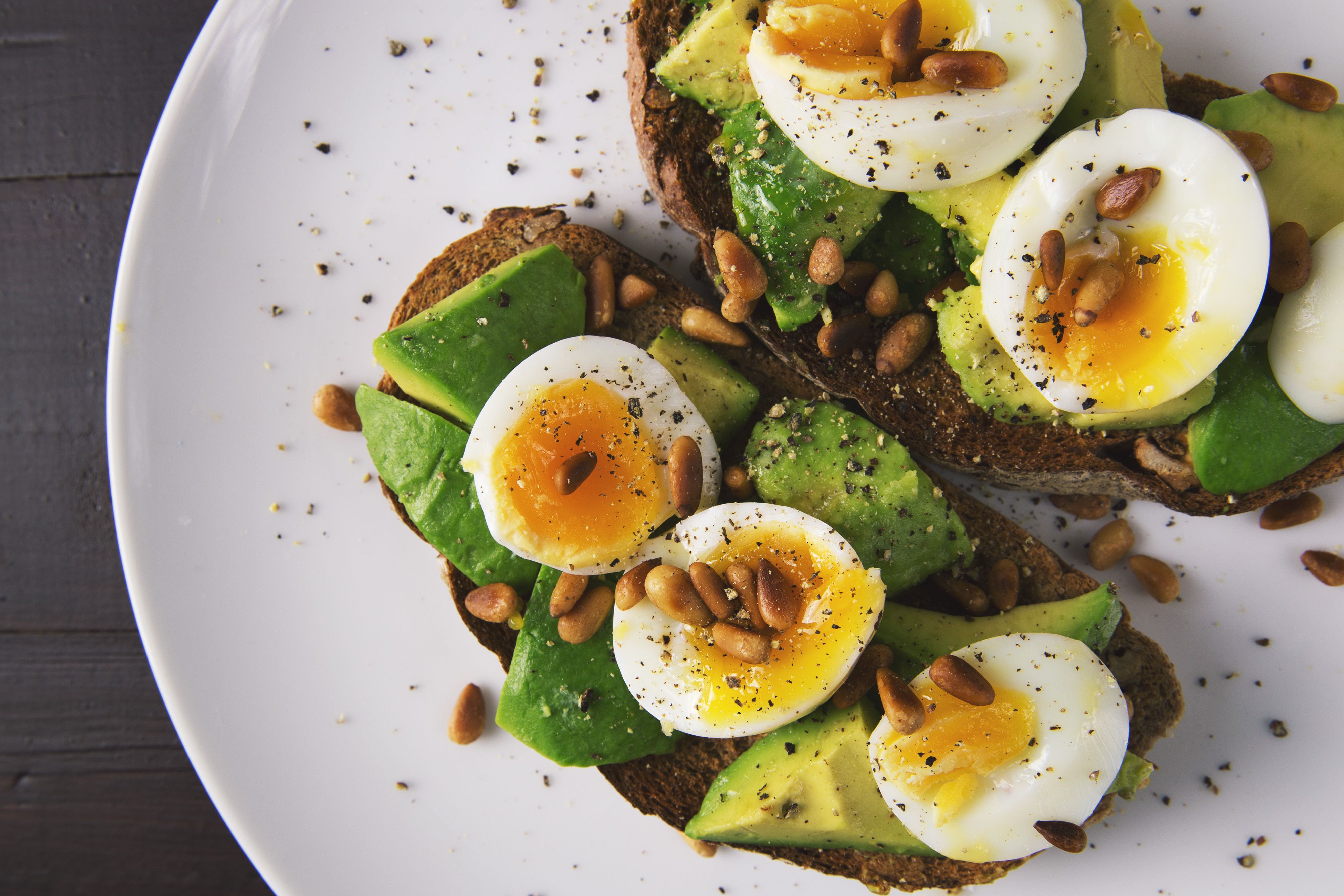
- Avocados and olives.
- Oils such as olive, canola, and mustard oil.
- Fatty fish such as salmon and sardines.
These foods can be part of balanced meals. Nuts and seeds also provide nutrients such as fiber, minerals, and protein, while oily fish provides omega-3 fatty acids.
Although these fats can be beneficial, they are energy-dense, so portion sizes still matter.
Saturated Fats: Pay Attention to Portions
Saturated fats are found in foods such as butter, ghee, fatty meats, coconut oil, palm oil, and some full-fat dairy products.
These foods can fit into a varied diet, but consuming large amounts of saturated fat can raise LDL cholesterol in many people. Public health guidance generally recommends limiting saturated fat and replacing some of it with unsaturated fats.
For example, you could use a suitable unsaturated vegetable oil instead of butter for some everyday cooking. You do not need to eliminate every food containing saturated fat to eat a balanced diet.
Trans Fats: A Type to Avoid
Industrial trans fats are particularly harmful to cardiovascular health. They have been used in some partially hydrogenated oils and certain processed foods.
Check ingredient lists and choose products without partially hydrogenated oils. Food regulations differ by country, so the presence of trans fats may vary between products and locations.
Rather than relying heavily on packaged baked goods or deep-fried foods, choose a variety of minimally processed foods most of the time.
How to Include Healthy Fats in Your Meals
Add a small serving of nuts to oatmeal, use seeds in yogurt, include avocado in a sandwich, or cook vegetables with a suitable oil. If you eat fish, include it according to your dietary preferences and local health guidance.
You can also get fats from foods such as eggs, dairy products, and legumes as part of a balanced diet.
Focus on the overall pattern of your meals rather than judging individual foods as entirely good or bad.
Final Thoughts
Fat is an important part of a healthy diet. Unsaturated fats from nuts, seeds, fish, avocados, and suitable oils are useful everyday choices. Limit industrial trans fats and keep saturated fat within recommended limits.
Small substitutions, balanced portions, and a variety of whole foods can help you build a practical eating pattern that supports long-term health.
Written by the Fuelwell Editorial TeamWe write plain-language guides on food, protein and training. This article is general information, not medical advice. Read the full disclaimer.
Advertisement
Get one practical guide a week
Weight loss, weight gain and nutrition tips by email. No spam, unsubscribe any time.