Eat Smarter on a Budget: 10 Staples
Save money while eating well with ten affordable pantry staples, practical shopping tips, and easy meal ideas for nutritious everyday cooking.
In this article
Can You Eat Healthy on a Budget?
Eating nutritious food does not have to mean buying expensive health products, imported ingredients, or supplements. Many affordable everyday foods provide protein, fiber, vitamins, minerals, and energy.
Planning meals around versatile staples can reduce food waste and make grocery shopping more predictable. Local prices vary, so choose the options that offer good value in your area.
Advertisement
The goal is not to buy the cheapest food regardless of quality. It is to combine affordable ingredients into balanced meals that suit your needs.
10 Affordable Foods to Keep at Home
1. Oats
Oats provide carbohydrates and fiber. Prepare them with milk or water and add seasonal fruit or peanuts for a filling breakfast.
2. Rice
Rice is a versatile source of energy and works well with lentils, beans, vegetables, and curries.
3. Lentils
Dal provides plant-based protein and fiber. Buying dried lentils in larger quantities may be economical if you use them regularly.
4. Chickpeas
Chickpeas can be used in curries, salads, wraps, and homemade snacks. Dried chickpeas may cost less per serving than some ready-made alternatives.
5. Beans
Rajma and other beans provide protein, fiber, and minerals. Combine them with rice or whole grains for a satisfying meal.
6. Seasonal Vegetables
Choose vegetables that are abundant and affordable locally. Frozen vegetables can also be useful when fresh options are expensive or spoil quickly.
7. Potatoes
Potatoes provide carbohydrates and can be boiled, roasted, or added to curries. Pair them with protein-rich foods and vegetables for a more balanced meal.
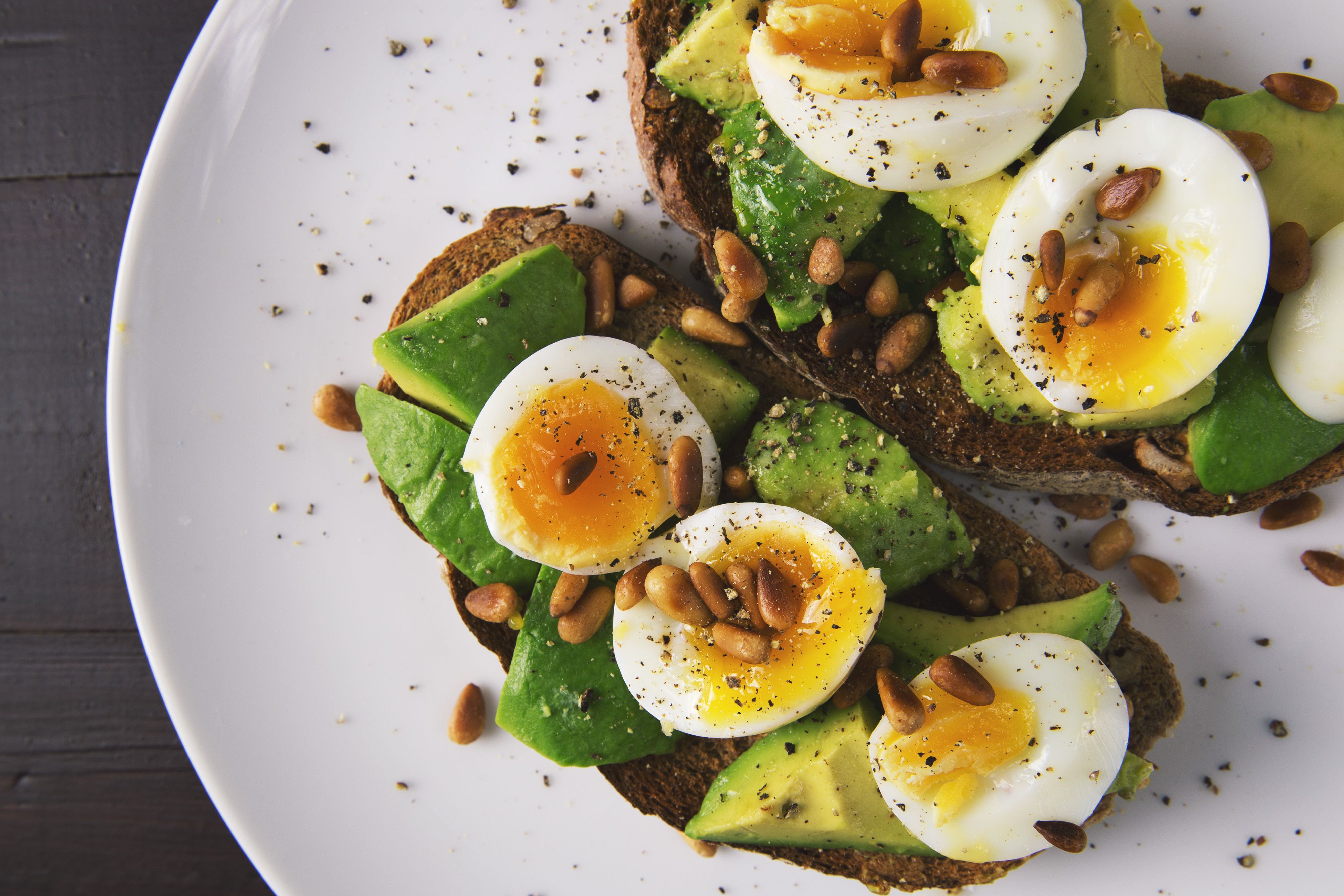
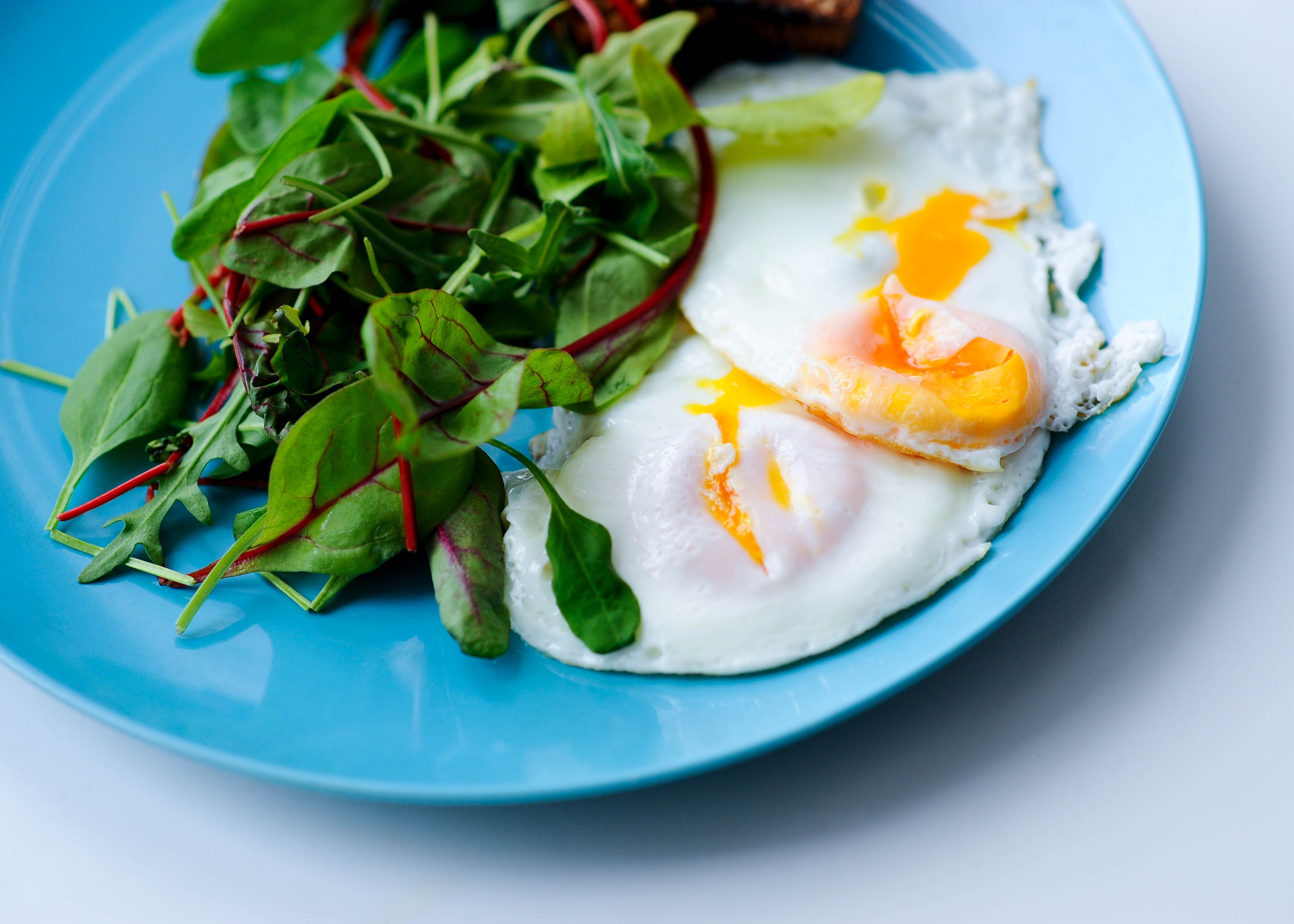
8. Eggs
Eggs provide protein and can be prepared in several inexpensive ways. If you do not eat eggs, consider tofu, soy foods, or additional legumes.
9. Peanuts
Peanuts provide protein, unsaturated fats, and energy. Add a modest serving to snacks, oatmeal, or homemade chutneys.
10. Plain Yogurt
Yogurt provides protein and calcium, although the amount varies by product. Eat it with meals, combine it with fruit, or use it in simple homemade dishes.
Smart Grocery Shopping Tips
Plan several meals before shopping and write a list based on ingredients you will actually use. Compare unit prices, check pantry supplies, and avoid buying large quantities of perishable foods unless you can use or freeze them safely.
Choose store brands when their ingredients and quality suit your needs. Frozen and canned produce can be nutritious alternatives, especially when canned products have little added salt or sugar.
Cooking larger batches of lentils, beans, rice, or soups can save time. Refrigerate leftovers promptly and freeze portions you will not eat within a few days.
Build Balanced Meals with Simple Ingredients
A balanced meal can be as straightforward as rice, dal, and seasonal vegetables. Oats with milk and peanuts make a practical breakfast, while chickpea curry with roti provides another affordable combination.
Try to include vegetables or fruit, a source of protein, and an energy source in most meals. Adjust portions to your appetite, activity, and nutritional needs.
Final Thoughts
Healthy eating on a budget starts with practical choices rather than expensive products. Oats, rice, lentils, chickpeas, beans, seasonal vegetables, potatoes, eggs, peanuts, and yogurt can form the foundation of many nutritious meals.
Plan ahead, reduce waste, compare prices, and use ingredients in more than one recipe. A few consistent habits can help you eat well while keeping grocery spending under control.
Written by the Fuelwell Editorial TeamWe write plain-language guides on food, protein and training. This article is general information, not medical advice. Read the full disclaimer.
Advertisement
Get one practical guide a week
Weight loss, weight gain and nutrition tips by email. No spam, unsubscribe any time.