Protein Timing: Does It Really Matter?
Learn when to eat protein for muscle growth and recovery, how to spread it across meals, and why your total daily intake matters most.
In this article
What Is Protein Timing?
Protein timing refers to when you consume protein in relation to your meals, workouts, and recovery periods. It is a popular topic among people who want to build muscle, improve athletic performance, or maintain muscle while losing weight.
Protein provides amino acids that your body uses to repair tissues and build muscle. Exercise, particularly resistance training, stimulates muscle-building processes, while adequate protein provides the materials needed to support them.
Advertisement
Although timing can influence how your body uses nutrients, it is usually less important than meeting your overall protein needs consistently.
Should You Eat Protein Before a Workout?
Eating protein before exercise can be helpful if it fits your schedule and nutritional needs. A balanced meal containing protein and carbohydrates a few hours before training can provide energy and support recovery.
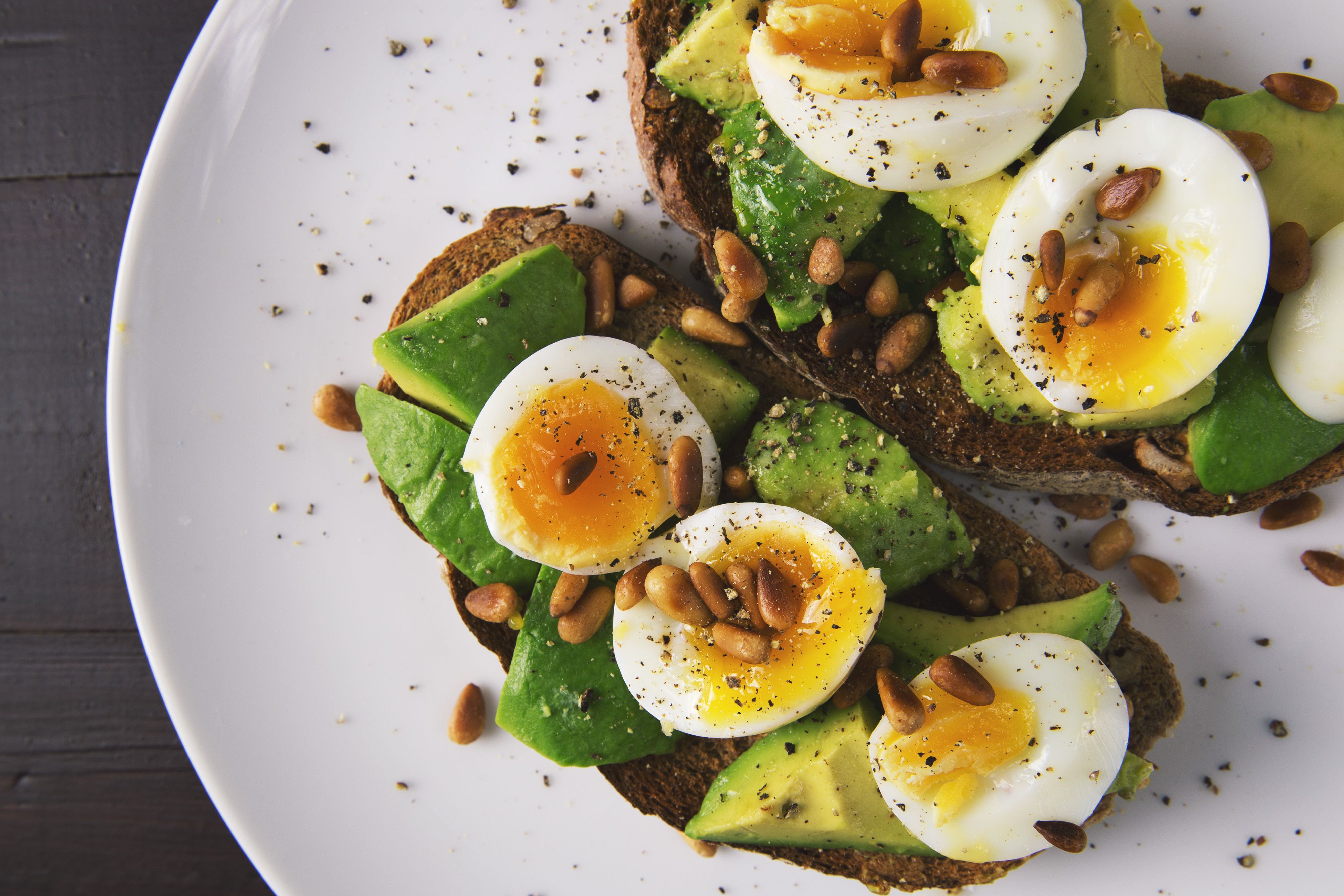
For example, you might eat yogurt with oats, eggs with whole-grain toast, or rice with dal before a workout. Choose portions and timing that feel comfortable for your stomach.
You do not need to eat a large protein meal immediately before exercising. If you recently ate a balanced meal, you may already have amino acids available during your workout.
Is Post-Workout Protein Necessary?
Eating protein after resistance training helps provide the amino acids needed for muscle repair and growth. However, there is no universal requirement to consume a shake within a few minutes of finishing your workout.
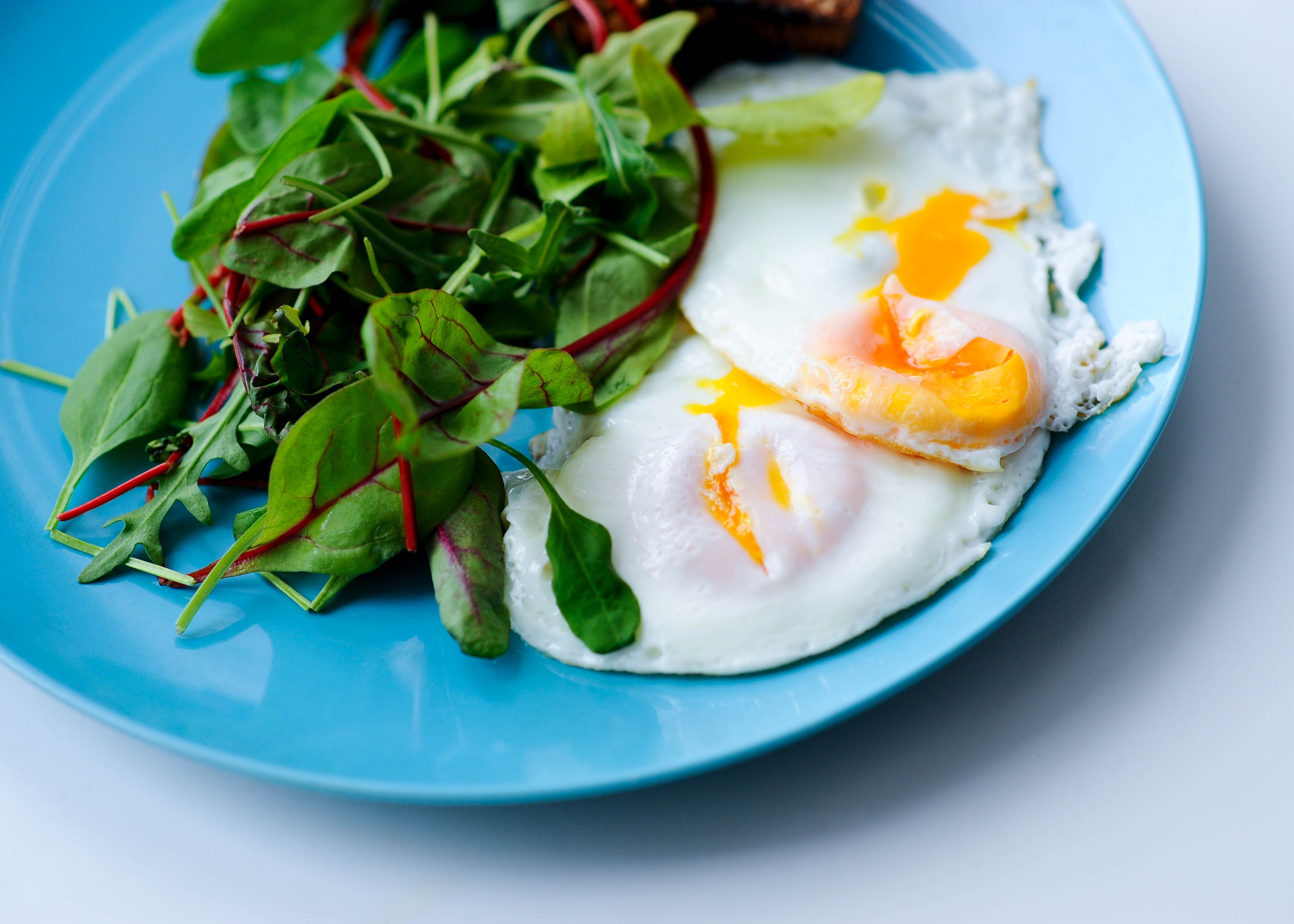
A normal meal containing eggs, milk, yogurt, paneer, tofu, beans, chicken, or fish can work well. If you trained without eating for several hours, having a protein-rich meal or snack afterward may be particularly practical.
The goal is to meet your nutritional needs throughout the day rather than worry about a narrow post-workout window.
How Should You Spread Protein Across Meals?
Many people find it useful to include protein at breakfast, lunch, dinner, and possibly a snack. This approach makes it easier to meet daily requirements without relying on one very large meal.
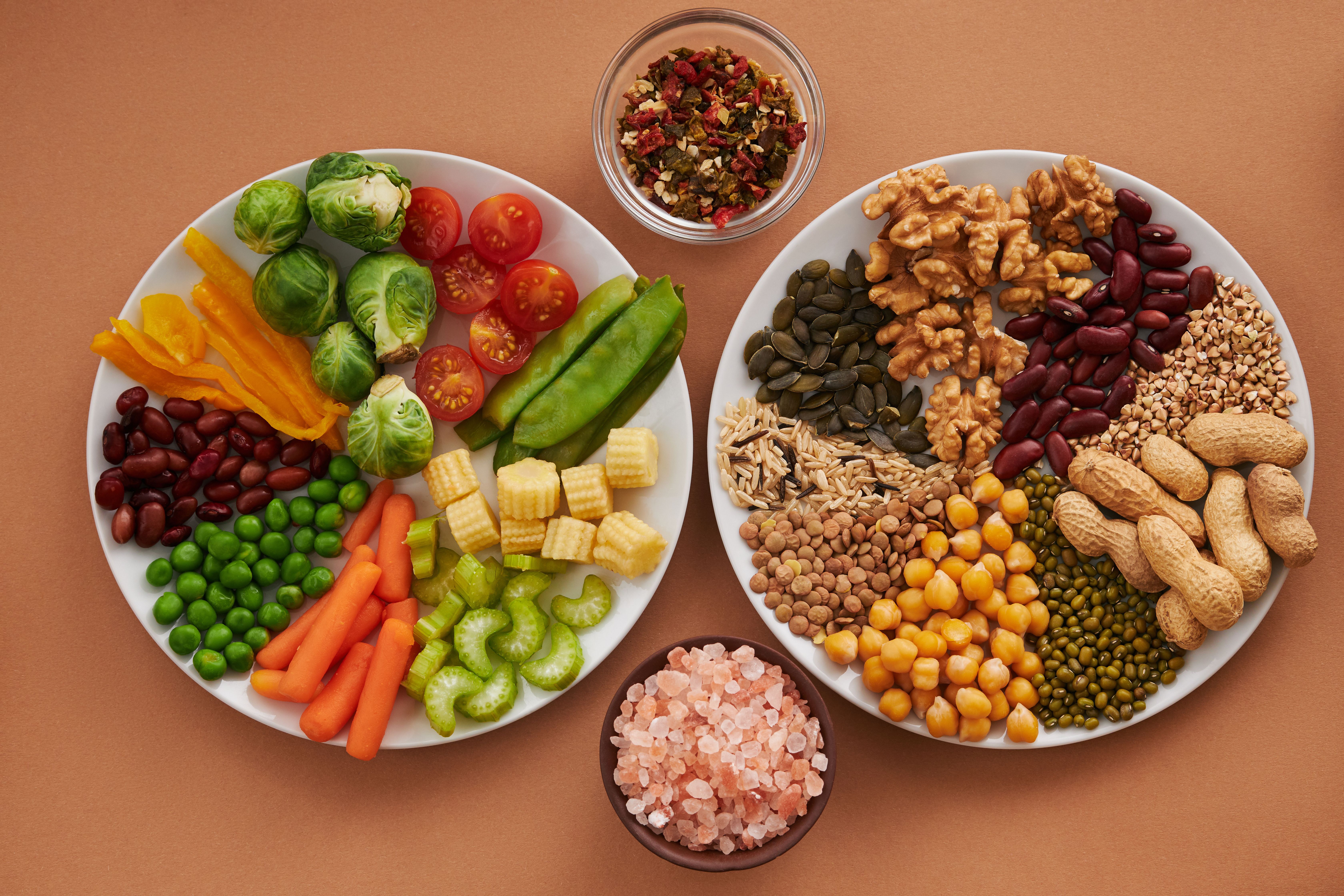
Vegetarian options include lentils, chickpeas, beans, soy foods, paneer, milk, and yogurt. Non-vegetarian options include eggs, fish, and lean meats.
Your ideal protein intake depends on body weight, age, activity level, goals, and health status. People who exercise regularly may have different needs from less active adults.
Do Protein Shakes Make a Difference?
Protein powder can be convenient when food alone does not meet your needs. However, it is not essential for building muscle.
Whole foods provide protein along with other nutrients, and a balanced diet should remain the foundation of your routine. Choose supplements carefully if you use them, and seek professional advice if you have kidney disease or another condition that affects protein requirements.
Final Thoughts
Protein timing can help you organize your nutrition, but it does not replace adequate total protein, consistent strength training, sufficient calories, and recovery.
Build a routine that fits your daily schedule. Include protein-rich foods across your meals, eat after workouts when practical, and focus on habits you can maintain over the long term.
Written by the Fuelwell Editorial TeamWe write plain-language guides on food, protein and training. This article is general information, not medical advice. Read the full disclaimer.
Advertisement
Get one practical guide a week
Weight loss, weight gain and nutrition tips by email. No spam, unsubscribe any time.